“Limited series” is a sales term. The limit is negotiable.
It sounds like a promise to end. Often it is a promise to sell the ending twice.
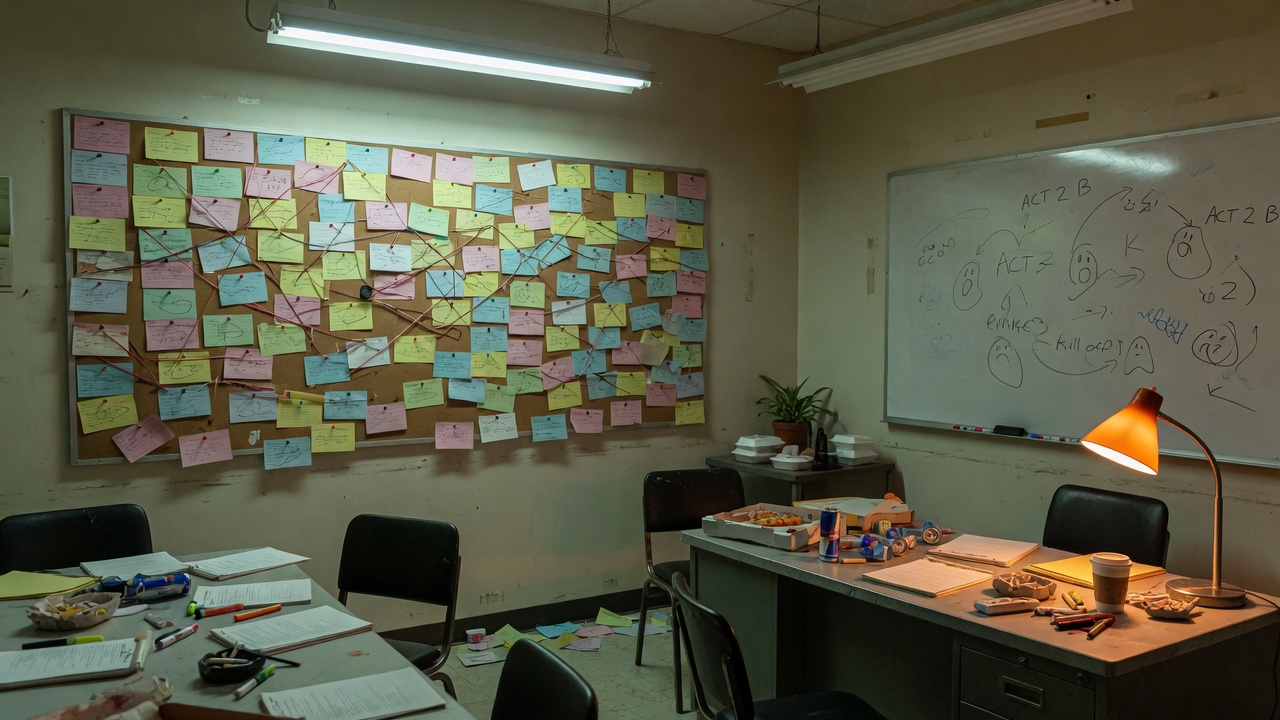
Call a show a limited series and you have done two jobs at once. You have told the audience it will end, which is a kindness after a decade of zombie seasons. You have also told the buyer it is special: not a grind, an event. Events get posters. Grinds get a timeslot and a shrug.
The limit is a marketing object. Some limited series are genuinely finite: a book with an ending, a true story with a last date, a formal experiment. Some are finite until the numbers arrive. Then the limit grows a “chapter two” or a sequel season that was always a clause in someone’s head.
Why the word spread
Prestige television trained rich viewers to fear open-ended commitment. Streamers trained everyone else to fear a show vanishing. “Limited” splits the difference. You can ask for eight hours of someone’s life without asking for eight years. Talent can say yes to a closed job. Publicists can say “from the mind of” without promising a franchise in the same breath — until they do.
It is also a budget costume. A limited series can be expensive in a way a network procedural cannot, because the spend is a burst, not a habit. Bursts photograph well in trade-paper interviews.
How to tell a real limit from a pause
Read the source. If it is a novel with a last page, the limit has a spine. If it is an original, listen for the sentence “we always knew we might continue.” That sentence is a door left unlatched.
Read the contracts you cannot read: when a lead is announced as “for the series,” that is different from “for season one.” You will not see the PDF. You will see the publicity language. Copy the language. Do not upgrade it into a vow.
When a “limited” show comes back, do not write “betrayal” as if a brand lied to your childhood. Write “the sales term changed.” Sales terms change. That is their job. Yours is to notice.
What this is not
It is not an argument that endings are fake. Some of the best television of the last twenty years ended on purpose. It is an argument that the sticker on the box is not the same as the ending. Stickers come off.
If you need a hed, put the word in quotes the first time. After that, talk about hours, episodes, and whether a story had a last scene that could stand if nobody funded another. Last scenes are art. “Limited” is a flyer.